Introduction
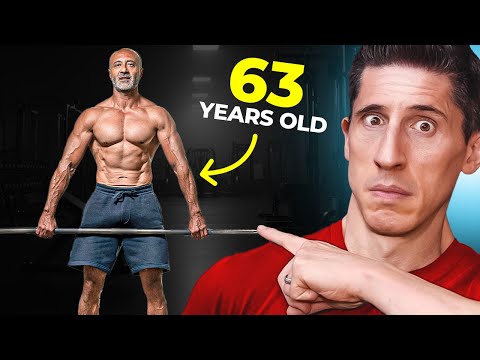
Jeff Cavaliere is a physical therapist and former Head Physical Therapist and Assistant Strength Coach for the New York Mets. With over 15 years of content on the ATHLEAN-X channel, he combines his clinical background with practical strength training to help people build muscle while protecting their joints for long-term training success. His approach emphasizes training intensity over volume, proper biomechanics, and training smart as you age. At 50, he still practices what he preaches.
Core Training Philosophy
Intensity Over Volume
- [mentioned in 18/32 videos] ★ “You either train long or you train hard, but you cannot do both.” This is Cavaliere’s most repeated principle. High-intensity training allows for shorter, more effective workouts.
- [mentioned in 15/32 videos] ★ Training to failure is essential for natural lifters. He argues that stopping “one or two reps short” often means stopping four or five reps short because most people underestimate what true failure feels like.
- [mentioned in 12/32 videos] What he calls “effective reps”—the final grinding repetitions near failure—are what actually stimulate growth. His technique: take a set to failure, rest only 15-30 seconds, then immediately hit more reps that feel difficult from rep one.
- [mentioned in 8/32 videos] Eccentric (lowering) portions of lifts deserve more attention. You’re stronger eccentrically than concentrically, so continuing to control weight on the way down after concentric failure adds valuable stimulus.
The Difference Between Strength and Hypertrophy Training
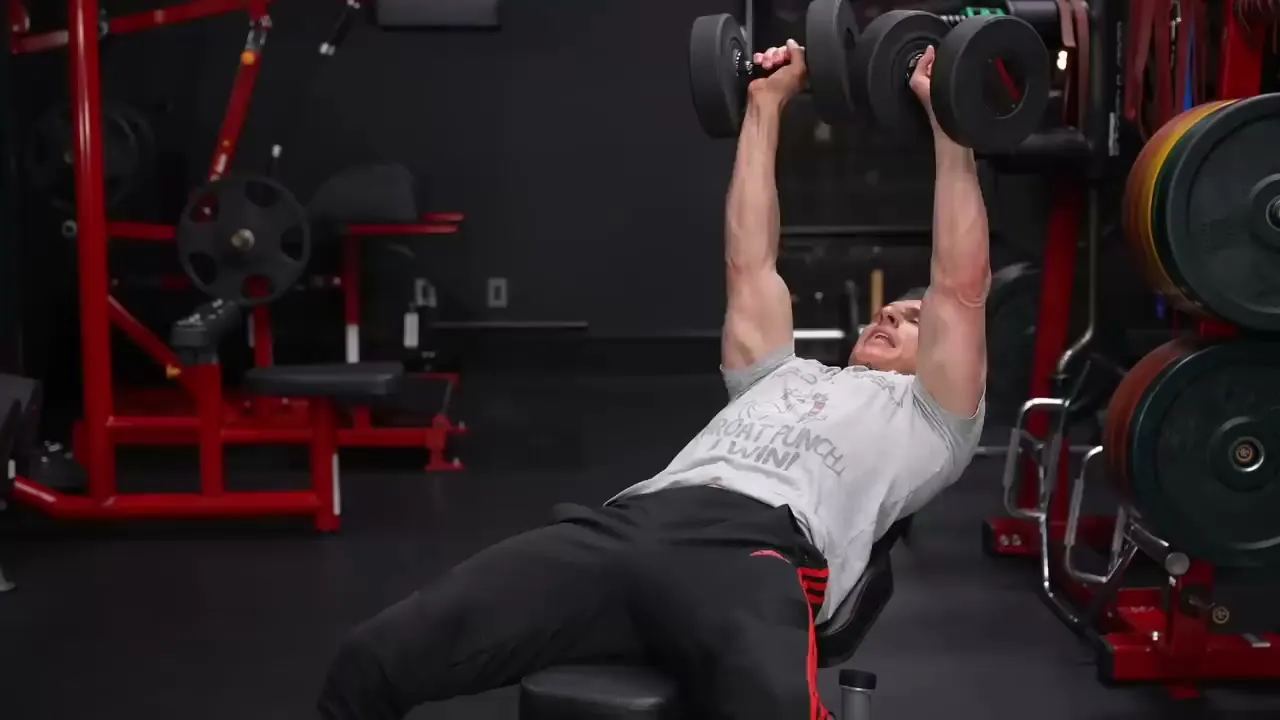
- [mentioned in 6/32 videos] For hypertrophy, you want to be inefficient—isolate muscles and make them do all the work. For strength, you want efficiency—recruit multiple muscles working together.
- [mentioned in 5/32 videos] Strength training should stay submaximal (not to failure) with longer rest periods. Hypertrophy training should push to failure with shorter rest.
- [mentioned in 4/32 videos] Both can be trained concurrently by prioritizing strength work (compound lifts) at the beginning of workouts when fresh, then shifting to hypertrophy-focused isolation work after.
Mobility and Longevity: The Foundation
- [mentioned in 14/32 videos] ★ Flexibility, mobility, and stability form the “root system” that supports all strength. Without them, strength gains are built on a shaky foundation.
- [mentioned in 10/32 videos] ★ The knee is a “consequential joint.” It suffers from problems above (weak hips) and below (poor ankle stability). Fix those areas to fix knee pain.
- [mentioned in 9/32 videos] The glute medius is consistently identified as a critical weak point causing low back pain. His hip drop exercise appears repeatedly as the fix.
- [mentioned in 8/32 videos] Thoracic spine extension is “the most important area of the spine” for maintaining mobility. Losing it leads to rounded shoulders and cascading problems.
Nutrition Principles
Protein and Meal Structure
- [mentioned in 10/32 videos] ★ Aim for 1-1.2 grams of protein per pound of bodyweight, especially if training hard.
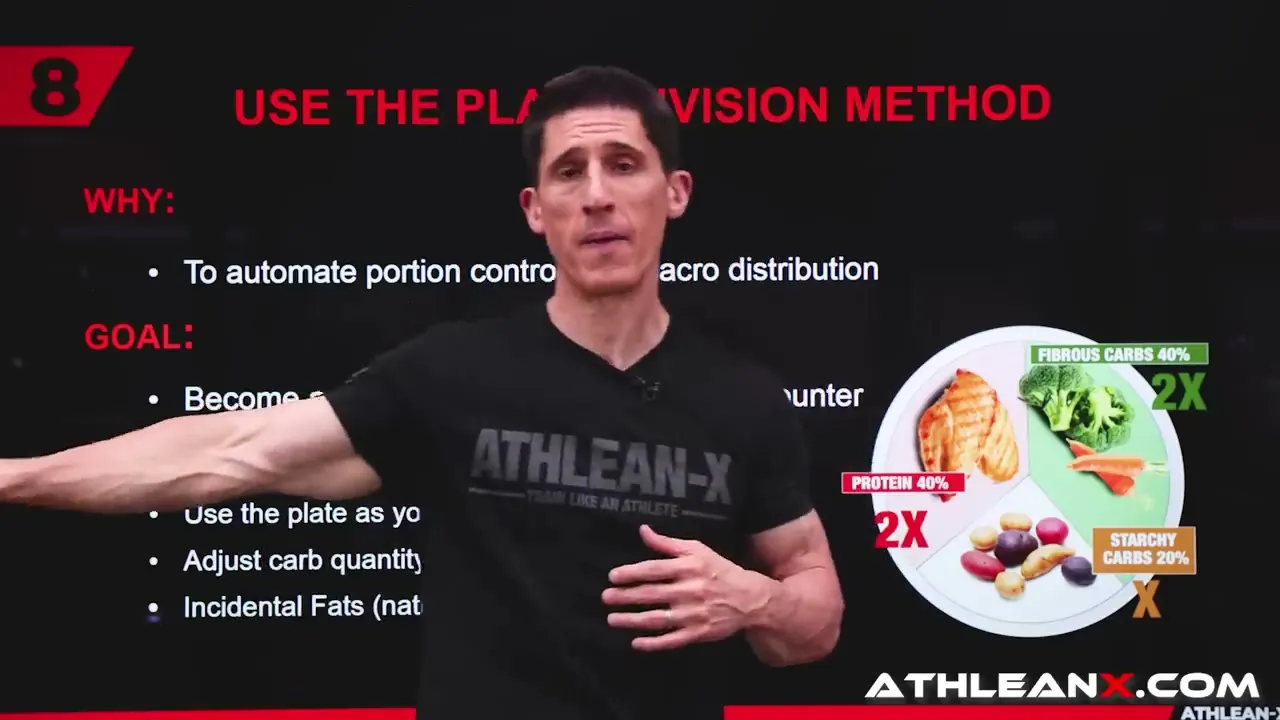
- [mentioned in 8/32 videos] ★ Use the plate division technique: 40% protein, 40% fibrous carbohydrates, 20% starchy carbohydrates.
- [mentioned in 7/32 videos] Don’t eliminate starchy carbs entirely—it’s unsustainable. Learn to partition them properly instead.
- [mentioned in 6/32 videos] Cavaliere doesn’t count calories long-term. He learned calorie content early on, then shifted to visual assessment of meals.
The Role of Cardio
- [mentioned in 5/32 videos] “Cardio is what makes people fat” in many cases—people overestimate calories burned and overeat as a reward. Nutrition determines body fat levels, not cardio.
- [mentioned in 4/32 videos] However, conditioning work (especially for VO2 max) becomes increasingly important for longevity and heart health as you age.
Key Advice
- [mentioned in 18/32 videos] ★ Stop counting reps; make your reps count. Slow down, focus on the contraction, and ensure every rep has quality tension.
- [mentioned in 14/32 videos] ★ Train through full range of motion. Partial reps in stretched positions have value, but don’t abandon full ROM—it builds resilience and functional strength.
- [mentioned in 12/32 videos] ★ Do face pulls regularly. They hit neglected upper back and rear delt muscles that counter poor posture from modern life.
- [mentioned in 10/32 videos] ★ Hang from a bar daily. Benefits include grip strength, shoulder mobility, thoracic extension, and core activation. Target 2 minutes for men, 1:30 for women.
- [mentioned in 9/32 videos] Keep lifting heavy as you age—just slow down the reps. Abandoning heavy weights leads to rapid strength loss; controlling tempo protects joints.
- [mentioned in 8/32 videos] Do corrective exercises daily. They’re not optional fluff—they fix weak links that limit your big lifts.
- [mentioned in 7/32 videos] Train legs twice per week. If full sessions are too taxing, split anterior (quads) and posterior (glutes/hamstrings) across separate days.
- [mentioned in 6/32 videos] Supplement with creatine monohydrate. Cavaliere has taken it for 35 years without cycling. 5g daily for muscles; 10g for potential cognitive benefits.

Common Misconceptions They Address
- Misconception: More volume always means more growth → Reality: [mentioned in 12/32 videos] Volume must be earned through intensity. Junk volume (easy reps far from failure) doesn’t count.
- Misconception: 100 push-ups a day builds a big chest → Reality: [mentioned in 3/32 videos] Without progressive overload, you’re just building endurance. Find harder variations or add weight.
- Misconception: Older lifters should back off heavy weights → Reality: [mentioned in 10/32 videos] Maintaining strength becomes MORE critical as you age. Control tempo to stay safe, but don’t abandon intensity.
- Misconception: Machines are inferior to free weights → Reality: [mentioned in 3/32 videos] Some machines (belt squat, seated hamstring curl, cable crossover) offer unique advantages and belong in the “best” category.
- Misconception: Stretching your hamstrings fixes anterior pelvic tilt → Reality: [mentioned in 2/32 videos] Tight hamstrings are a symptom, not a cause. Focus on hip flexors, glutes, and abs instead.
- Misconception: RPE (rate of perceived exertion) is reliable → Reality: [mentioned in 3/32 videos] Most people underestimate their true capability. Training to actual failure removes subjectivity.
Who Should Follow This Creator
Ideal audience:
- Intermediate to advanced lifters seeking to train smarter, not just harder
- Anyone over 35-40 looking to build or maintain muscle while protecting joints
- People experiencing training-related pain who want science-based solutions
- Those who’ve hit plateaus and need intensity techniques to break through
May not be ideal for:
- Complete beginners (some concepts assume training experience)
- Those seeking simple “just do this” programs without understanding why
- Powerlifters focused purely on 1RM competition performance
Content Style
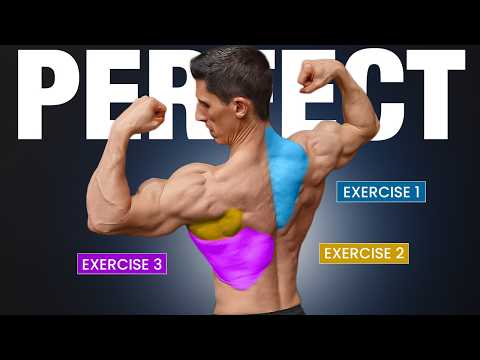
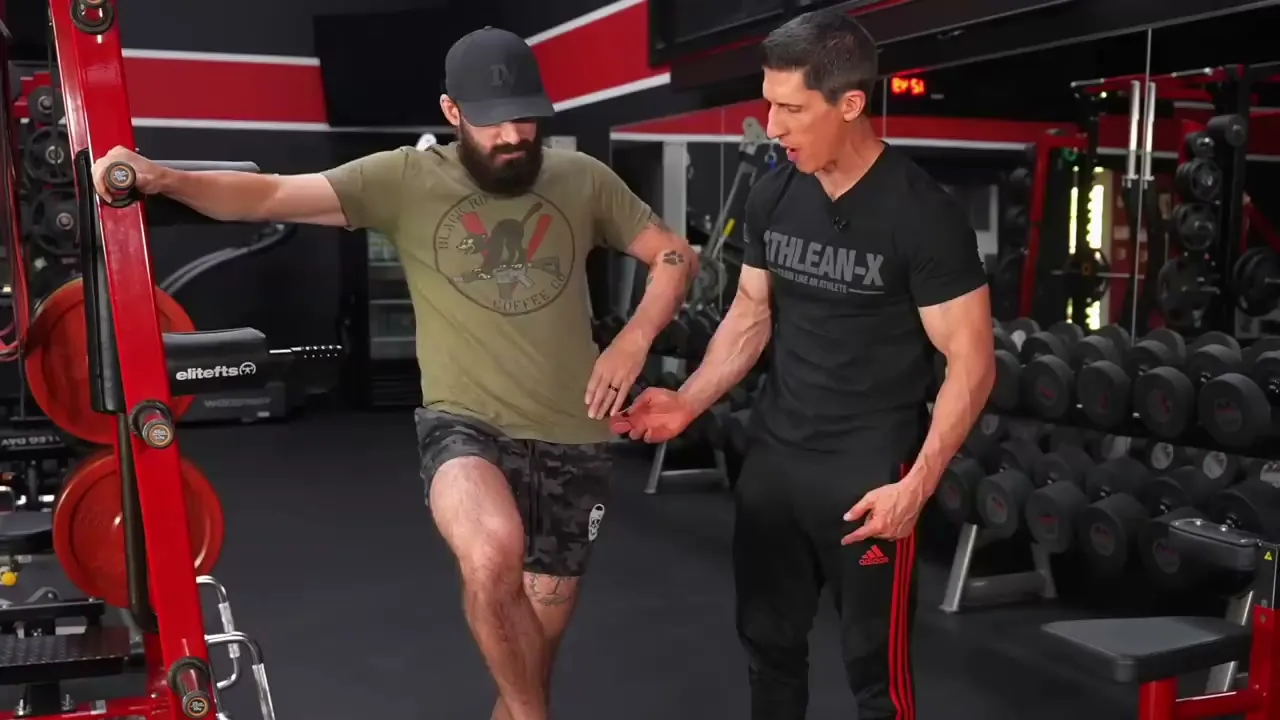
Cavaliere delivers long-form educational content (10-25 minutes) with high production value. He frequently demonstrates exercises himself, uses anatomical overlays to explain muscle function, and brings in his assistant Jesse to show common mistakes. His physical therapy background shows in detailed biomechanical explanations—he doesn’t just say “do this,” he explains why each joint position matters. The tone is direct and no-nonsense, occasionally calling out fitness industry misinformation. Research is referenced but filtered through practical application rather than academic deep-dives.