%22%2F%3E%0A%20%20%3Cpolygon%20points%3D%2248%2C35%2048%2C85%2088%2C60%22%20fill%3D%22white%22%2F%3E%0A%3C%2Fsvg%3E%0A)
Introduction
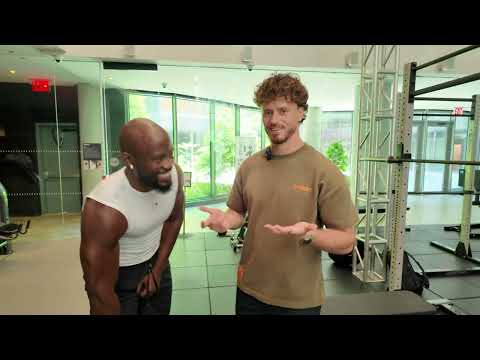
Brendan Backstrom is a former exercise science student and personal trainer who herniated two discs at age 21, then spent years in a cycle of reinjury despite following traditional physical therapy protocols. After conventional approaches failed—bird dogs, dead bugs, stabilization exercises—he developed his own methodology centered on directly training the spine rather than avoiding it. His approach has grown into Low Back Ability (LBA), a program and community with tens of thousands of members. What makes his perspective unique: he’s not a doctor or physical therapist, but someone who lived through chronic back pain and reverse-engineered his way out of it.
Core Beliefs
The Spine Is Trainable and Adaptable
- [mentioned in 28/30 videos] ★ Your low back is trainable just like any other muscle group. The conventional wisdom of “preserve and protect” the spine is fundamentally flawed—it’s “use it or lose it” like everything else.
- [mentioned in 25/30 videos] ★ The spine can be rebuilt after injury and age. Degenerative disc disease is not a death sentence—it’s an artifact of breakdown that can be addressed through proper stimulus.
- [mentioned in 22/30 videos] ★ Avoidance guarantees degradation. You can never be careful enough to prevent flare-ups if you never build actual spinal strength.
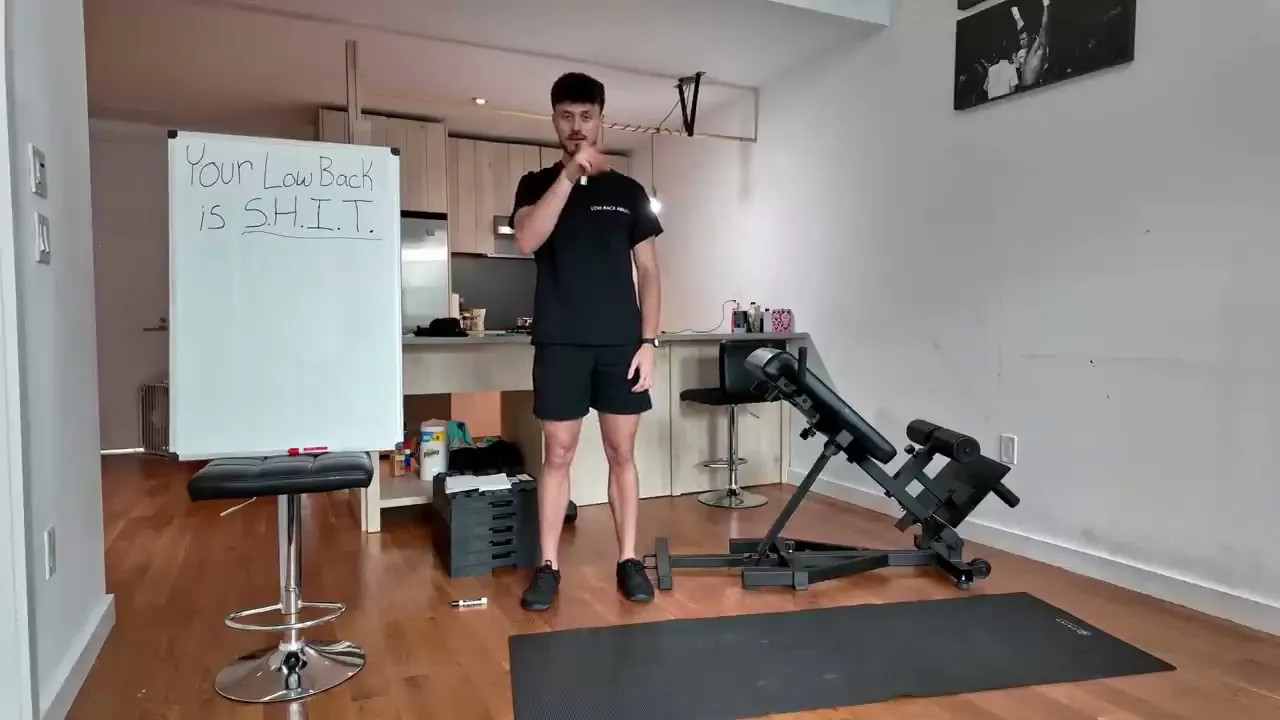
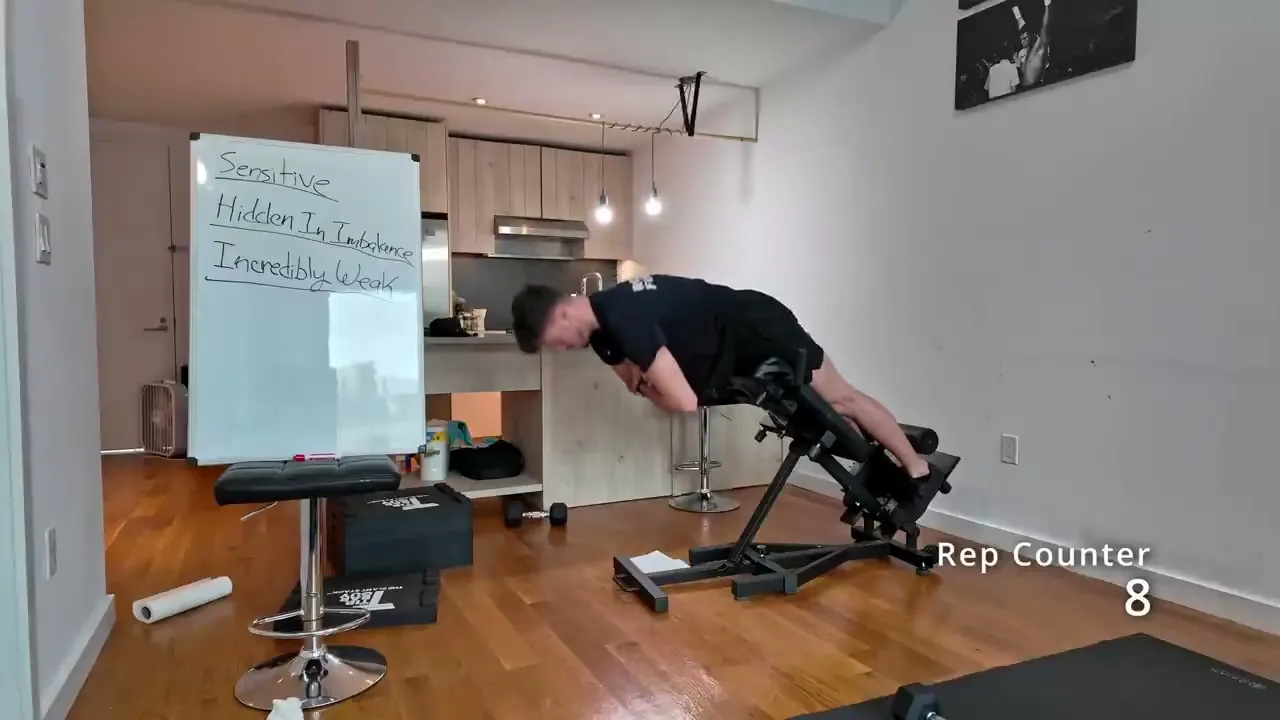
- [mentioned in 18/30 videos] What he calls a “[SHIT] back”: Sensitive, Hidden in imbalance, Incredibly weak, and Tight. These are the four qualities that make backs vulnerable.
Building Evidence vs. Avoidance
- [mentioned in 26/30 videos] ★ “Build evidence” rather than avoid. Expose yourself to exactly what you fear, but scale it back to a level where failure is impossible.
- [mentioned in 20/30 videos] The back extension progression is the foundation: ISO holds → assisted half reps → full body weight reps → single leg holds → weighted reps. This can take 6-12+ months.
- [mentioned in 18/30 videos] Standard tests to work toward: 2-minute ISO hold on the back extension and 30 body weight reps with full spinal flexion/extension.
- [mentioned in 15/30 videos] Tissue tolerance is different from muscular strength. You might have the strength to do 30 reps, but if you flare up after 10, you need to stay at 9.
The Long Game Philosophy
- [mentioned in 30/30 videos] ★ “Play the long game.” This is his core slogan—tattooed on his arm. Make a 1-2 year plan minimum. Anything less leads to rushing and setbacks.
- [mentioned in 22/30 videos] Flare-ups are data, not failures. They tell you where your capacity limit is. Pain is a clue, not a compass.
- [mentioned in 19/30 videos] The journey is exponential—hardest in the beginning, then compounds over time. The macro should always trend positive even when individual days don’t.
- [mentioned in 16/30 videos] If you need results fast, you’ll get them slow. If you’re okay with them taking years, you’ll often get them faster.
Hidden Imbalances Affect Everything
- [mentioned in 24/30 videos] ★ Back injuries spread into hip imbalances. Tight hip flexors and adductors pull on the pelvis, which strains the sacrum and SI joint.
- [mentioned in 20/30 videos] “Squeeze then stretch”—strengthen an area before stretching it. Stretching chronically tight, sensitive tissue without first getting a pump just tears it further.
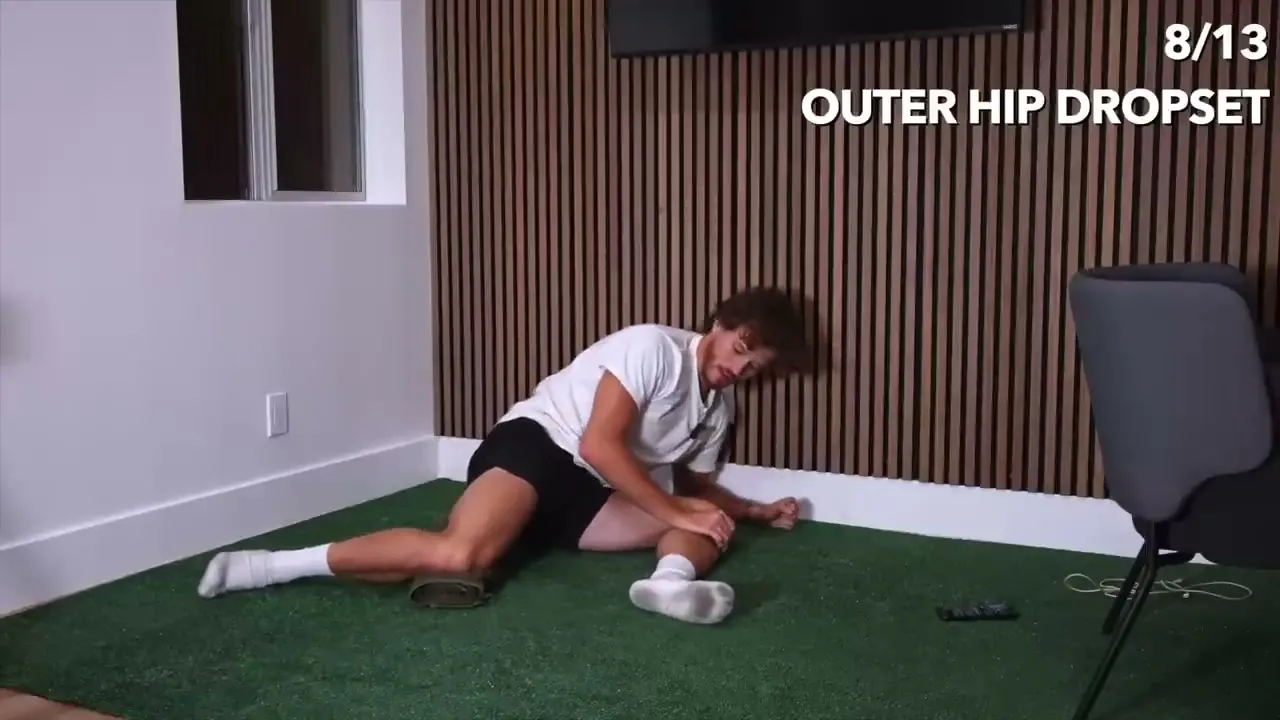
- [mentioned in 18/30 videos] The outer hip drop set: 30 seconds internal rotation, 30 seconds rotation + lift, 30 seconds straight leg lift. This addresses glute weakness that refers pain to the back.
- [mentioned in 15/30 videos] Reciprocal inhibition: if one side of a joint is extremely tight, you can’t fully contract the other side. Tight hip flexors prevent full glute engagement.
Tightness Is a Symptom, Not the Problem
- [mentioned in 22/30 videos] ★ Stop stretching tight areas repeatedly without building strength first. Tightness is a protective mechanism—your body doesn’t trust the tissue.
- [mentioned in 18/30 videos] The reason relief stretches don’t last: you’re treating a symptom. Ask “why” your back is tight rather than just trying to release it.
- [mentioned in 14/30 videos] Band-aids include: hanging from bars, press-ups, foam rolling, chiropractic adjustments. They provide temporary relief but don’t fix the root cause.
Key Advice
- [mentioned in 28/30 videos] ★ Get a back extension machine. There’s no true workaround. This is the most direct, scalable way to train your spine.
- [mentioned in 26/30 videos] ★ Start with ISO holds, not reps. High pad, assisted if needed, 30 seconds to start. Build to 2 minutes before progressing to any range of motion.
- [mentioned in 24/30 videos] ★ Train twice a week minimum. Low intensity at first allows higher frequency. As you build capacity, you can train harder but less often.
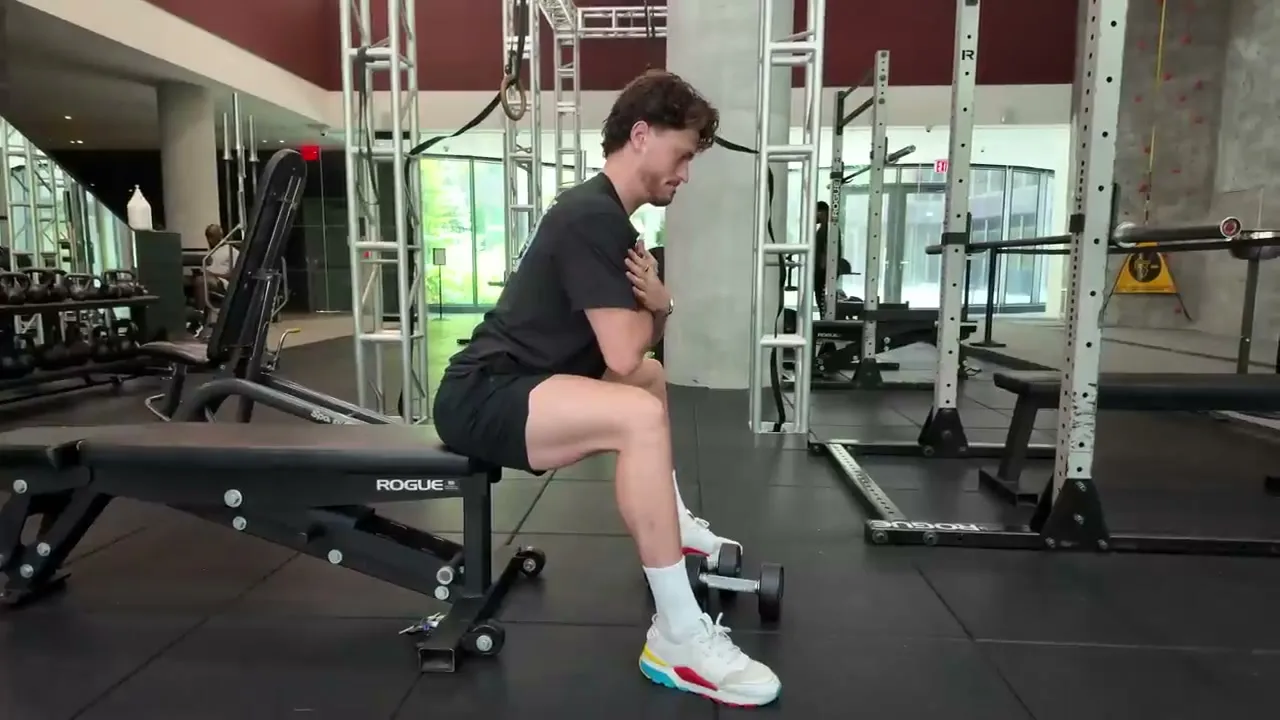
- [mentioned in 22/30 videos] ★ Address hip mobility alongside back training. Split squat holds (1 minute each leg), squat holds, butterfly work—open the tissues pulling on your spine.
- [mentioned in 20/30 videos] Never round your spine under load until you’ve mastered flat back strength. Hinge reps before spinal flexion reps. Full range Jefferson curls are a year+ away.
- [mentioned in 18/30 videos] Single leg holds expose rotational weakness. Once you can do 2-minute double leg holds, test single leg (1 minute each) to train smaller paraspinal stabilizers.
- [mentioned in 16/30 videos] Train the trap three raise for upper/mid back. Same ISO hold principle—pumps blood to spinal tissue without dangerous ranges.
- [mentioned in 14/30 videos] Push sled for gentle spinal compression conditioning. It builds tolerance to compressive loads in a controlled, low-risk way.
- [mentioned in 12/30 videos] Get a low back pump. If you’ve never felt your erectors pumped like a bicep, you’ve never truly trained your back directly.
Common Misconceptions They Address
- Misconception: Rounding your back is always dangerous → Reality: [mentioned in 22/30 videos] Controlled spinal flexion under appropriate load builds the small paraspinal muscles that actually protect your vertebrae.
- Misconception: Core training fixes back pain → Reality: [mentioned in 20/30 videos] Traditional core work trains everything except the low back. Crunches, planks, and bird dogs don’t stimulate the spinal erectors or intraspinal muscles.
- Misconception: Disc herniations are permanent damage → Reality: [mentioned in 18/30 videos] Most herniations reabsorb naturally. The chronic pain comes from weakness and sensitivity, not the disc itself.
- Misconception: Decompression (hanging, inversion) fixes back problems → Reality: [mentioned in 16/30 videos] Decompression provides temporary relief but can actually cause laxity in spinal ligaments with overuse. Build compression tolerance instead.
- Misconception: McGill Big Three is sufficient for back rehabilitation → Reality: [mentioned in 14/30 videos] These exercises are great for acute injury (first 1-3 months) but leave a massive gap—they never directly load and strengthen spinal tissue through range.
- Misconception: If you’ve tried everything and failed, surgery is the only option → Reality: [mentioned in 12/30 videos] Most people have never actually trained their spine progressively. Surgery skips all the outer “onion layers” (muscles, tendons, ligaments) and goes straight to the deepest level.
Who Should Follow This Creator
Ideal audience:
- People with chronic back pain (1+ years) who’ve tried traditional physical therapy without lasting results
- Former athletes dealing with disc herniations, SI joint pain, hip impingement, or sports hernias
- Anyone under 40 who’s been told they’re “too young to have back pain” and feels gaslit by medical professionals
- People willing to commit to a 1-2 year rebuilding process rather than seeking quick fixes
Who might NOT benefit:
- Anyone in acute injury (first 2-4 weeks)—rest and medical clearance first
- People looking for immediate relief or 30-second stretches
- Those unwilling to invest in a back extension machine or find a gym with one
- Anyone not ready to take personal accountability for understanding their own body
Content Style
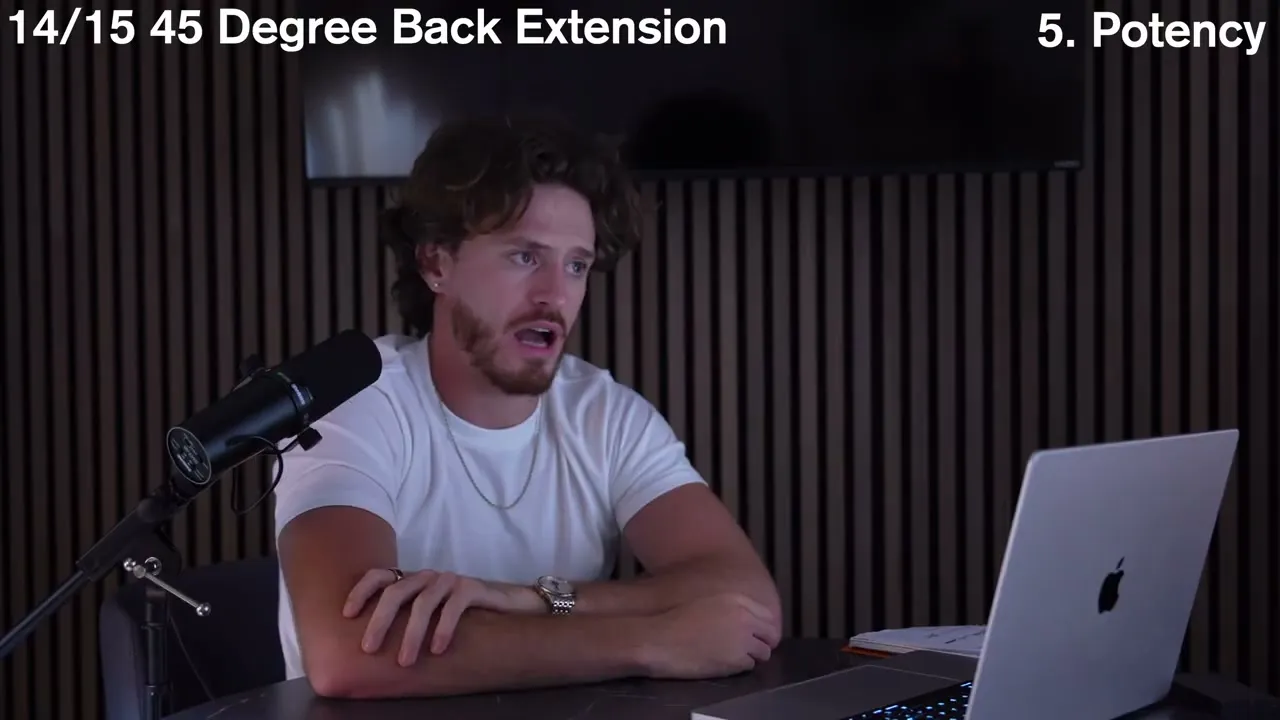
Format: Long-form videos (15-60 minutes), training vlogs, Q&A sessions, and educational deep-dives. Minimal editing—filmed in home kitchens, commercial gyms, and outdoor locations during workshop tours.
Presentation: Conversational, passionate, occasionally rambling. Heavy use of personal anecdotes and stories from community members. Uses crude humor (“your back is SHIT”) to make concepts memorable. Not academic—draws from personal experience and coaching thousands of people rather than citing research.
Transparency: Openly discusses his own ongoing struggles, failed attempts, and areas still learning. Admits he doesn’t have all the answers and encourages viewers to become their own “back experts.”
Business model: Pay-what-you-want program (as low as $2/month). Explicitly anti-high-ticket sales. Hosts free workshops and gives away back extension machines through affiliate partnerships.