Introduction
Brendan Backstrom, known as Low Back Ability, emerged from a “back hell loop” of chronic pain—including disc herniations, sciatica, and a sports hernia—that derailed his life in his early 20s. A former exercise science student and physical therapy tech, Backstrom grew frustrated with the traditional medical model of “avoidance” and “stabilization” which failed to return him to athleticism. His channel is a documentation of his journey and a roadmap for others to become their own “back experts.” He advocates for treating the spine as a trainable, adaptable structure rather than a fragile inevitable failure, emphasizing a philosophy he calls “The Long Game.”
Core Beliefs
The “Long Game” Mindset
- [mentioned in 28/30 videos] ★ Play the Long Game: Healing chronic back pain is not linear. It requires a 1-2 year outlook of micro-deposits rather than seeking quick fixes or 6-week cures. Patience is the primary skill.
- [mentioned in 22/30 videos] ★ Avoidance vs. Evidence: Avoiding movement protects you today but prepares you for less tomorrow. You must build “evidence” (capacity) in the tissues to teach the nervous system that movement is safe.
- [mentioned in 18/30 videos] ★ The Spine is Adaptable: Contrary to the belief that the back is fragile and has a limited shelf life, spinal tissues (muscles, ligaments, and even discs) can adapt and strengthen with the right stimulus.
The Root Causes (S.H.I.T. Back)
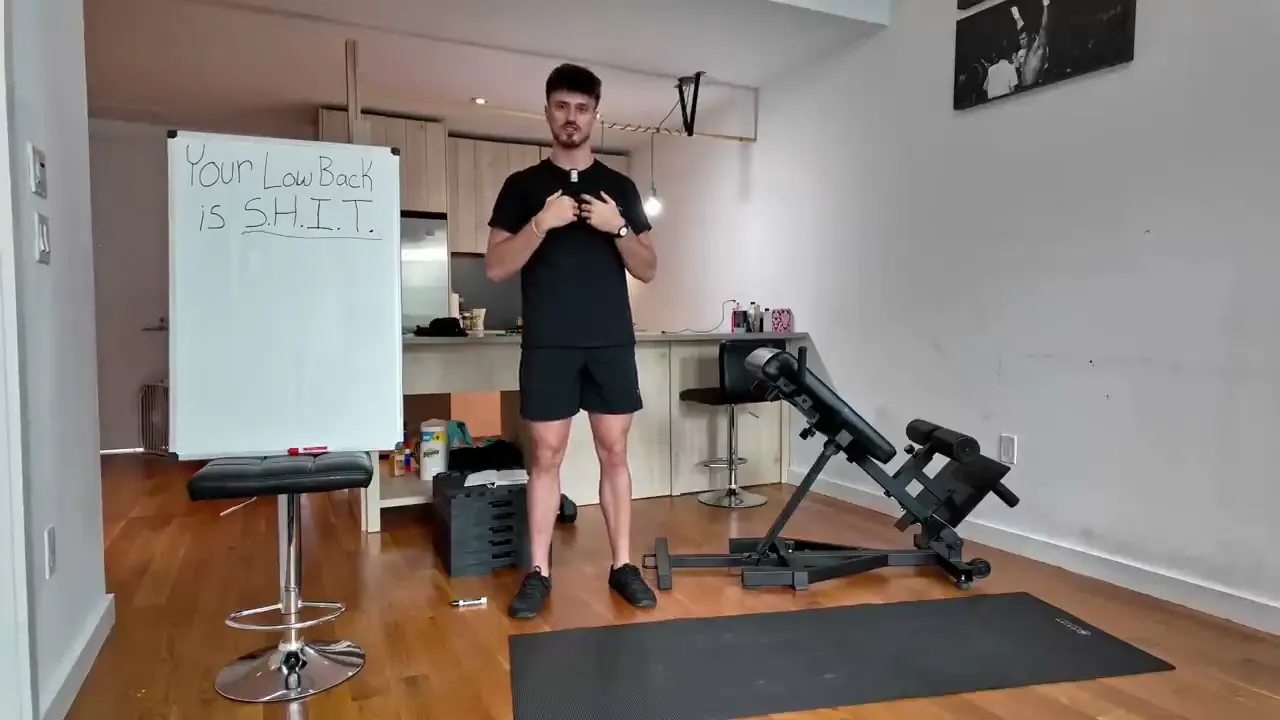
- [mentioned in 12/30 videos] Backstrom uses the acronym S.H.I.T. to diagnose the state of a chronic back:
- Sensitive (Neurological guarding)
- Hidden/Imbalanced (Hip issues masking as back issues)
- Incredibly Weak (Atrophy from disuse)
- Tight (Protective tension)
- [mentioned in 15/30 videos] Pain is a Clue, Not a Stop Sign: Flare-ups are data points. They indicate where tissue tolerance was exceeded, not necessarily that damage occurred. Use them to adjust, not quit.
Training Principles
- [mentioned in 14/30 videos] Tissue Tolerance: Strength isn’t the limit; tolerance is. You might have the muscle to lift a weight, but the connective tissue or nervous system might flare up. Train at the level of tolerance, not max strength.
- [mentioned in 10/30 videos] Squeeze Before Stretch: Stretching a sensitive, tight muscle often causes a protective reflex (tightening back up). Contracting/pumping the muscle first (short range) allows for a safer, more effective stretch (long range).
- [mentioned in 8/30 videos] Structural Balance: The back cannot be fixed in isolation. Imbalances in the hips (adductors, hip flexors, glutes) tug on the pelvis and spine, perpetuating pain.
Key Advice
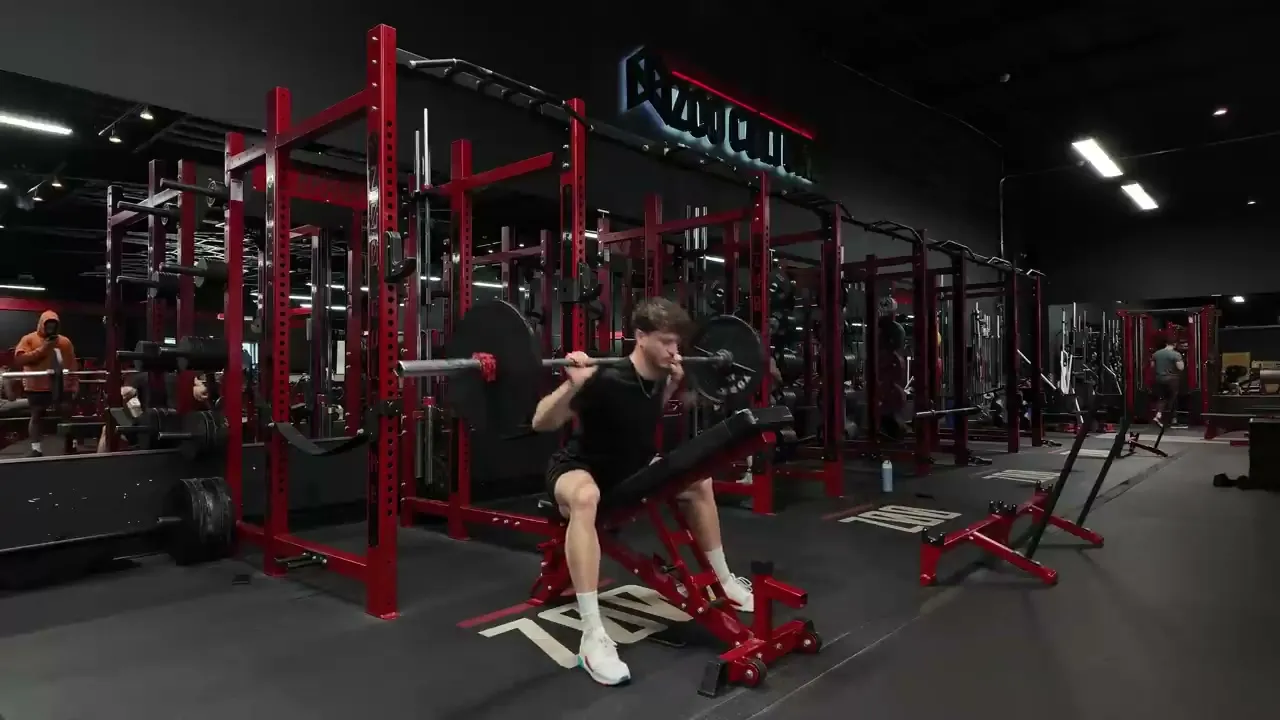
- [mentioned in 25/30 videos] ★ Master the 45-Degree Back Extension: This is the cornerstone exercise. Progress from high-pad Isometric Holds (desensitization) -> Partial Reps -> Full Range Reps (decompression/recompression) -> Weighted Reps. The goal is 2 minutes ISO or 30 bodyweight reps.
- [mentioned in 16/30 videos] ★ Address Hip Imbalances: Tight hip flexors and adductors pull the pelvis and strain the low back. Use the Split Squat Hold and Seated Good Morning/Butterfly to open the front and inner hips.
- [mentioned in 12/30 videos] Use Isometric Holds (ISOs) First: Static holds desensitize pain pathways and build tendon strength without the mechanical irritation of movement. Start here if you are in pain.
- [mentioned in 10/30 videos] Perform the “Outer Hip Drop Set”: Strengthen the outer glutes (internal rotation/abduction) to support the pelvis. Stronger outer glutes allow tight inner groin muscles to release (reciprocal inhibition).
- [mentioned in 8/30 videos] Use the Sled: Backward sled walking (and forward pushing) provides gentle compression/decompression cycles that condition the spine safely while building leg strength.
- [mentioned in 6/30 videos] Stop “Picking Scabs”: Do not constantly stretch or “check” a painful area. Let it settle while working on adjacent areas (hips, upper back).
Common Misconceptions They Address
- Misconception: You should never round your low back (move like a robot).
→ Reality: [mentioned in 12/30 videos] You must eventually train spinal flexion (rounding) because life requires it. Start with a flat back (neutral), but progress to round-back training (segmental flexion) to build the small paraspinal muscles.
-
Misconception: Tightness means you need to stretch. → Reality: [mentioned in 15/30 videos] Tightness is often a symptom of weakness or instability. Stretching a sensitive, weak muscle usually makes it tighter. Strengthen it (get a pump) first.
-
Misconception: Core training equals abs (crunches/planks). → Reality: [mentioned in 5/30 videos] The “Core” includes the lower back muscles (erectors, multifidus). Traditional PT trains everything except the back directly. You must train the back muscles to protect the spine.
-
Misconception: A diagnosis (Herniated Disc/DDD) is a life sentence. → Reality: [mentioned in 9/30 videos] These are often normal aging processes or manageable injuries. You can become asymptomatic and robustly strong even with these diagnoses by building the musculature around the spine.
Who Should Follow This Creator
- Ideal Audience: People with chronic, lingering back pain (1+ years) who have failed traditional physical therapy or chiropractic care. Athletes who want to bulletproof their spine. “Young people with old backs.”
- Not For: People in the acute phase of a traumatic injury (first 2-4 weeks post-accident). Those looking for a “quick fix” or instant relief techniques.
Content Style
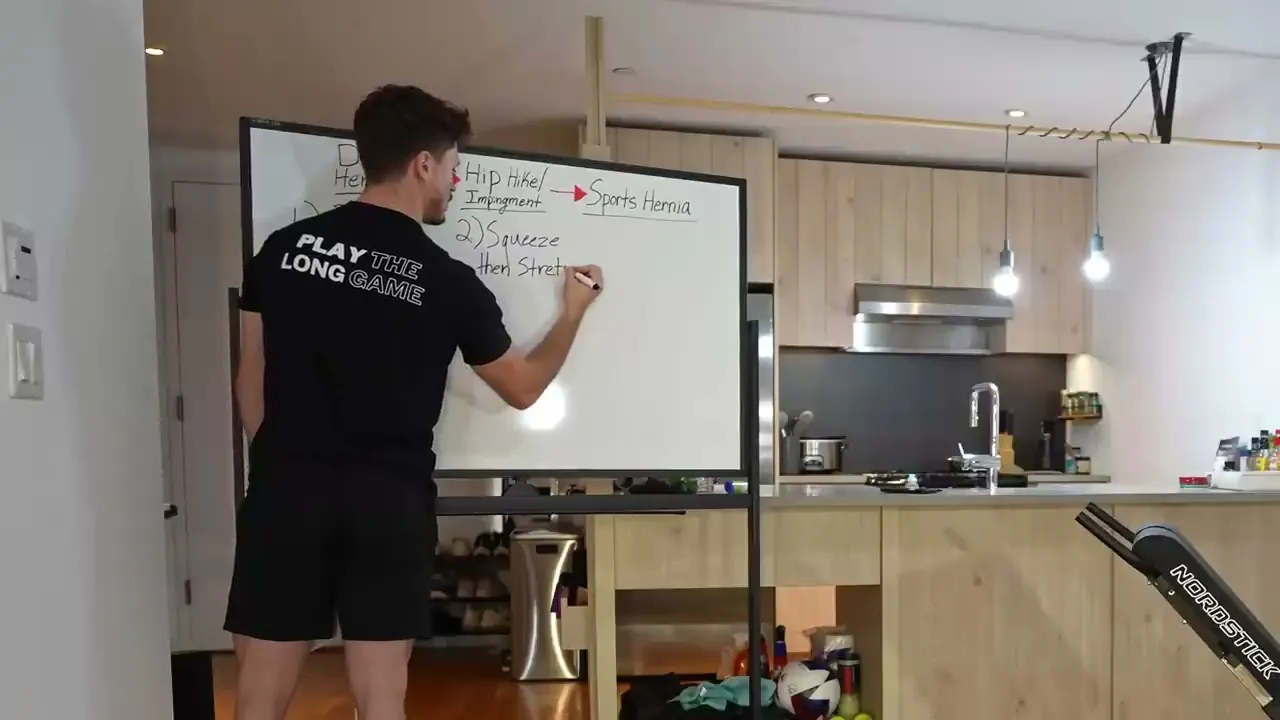
- Format: Long-form, vlog-style training sessions mixed with whiteboard lectures and sit-down talks.
- Tone: Empathetic but tough-love. Vulnerable about his own mental health struggles and flare-ups.
- Basis: Heavily anecdotal based on personal experience and coaching thousands of community members, grounded in biomechanics but critical of outdated standard of care.
- Production: Raw, authentic, often filmed in home gyms or living rooms to show accessibility.